
How Wearable Technology Can Support a Safer Surgery Journey
From preparation to recovery, wearable devices can provide valuable insights that help you and your care team make more informed decisions.

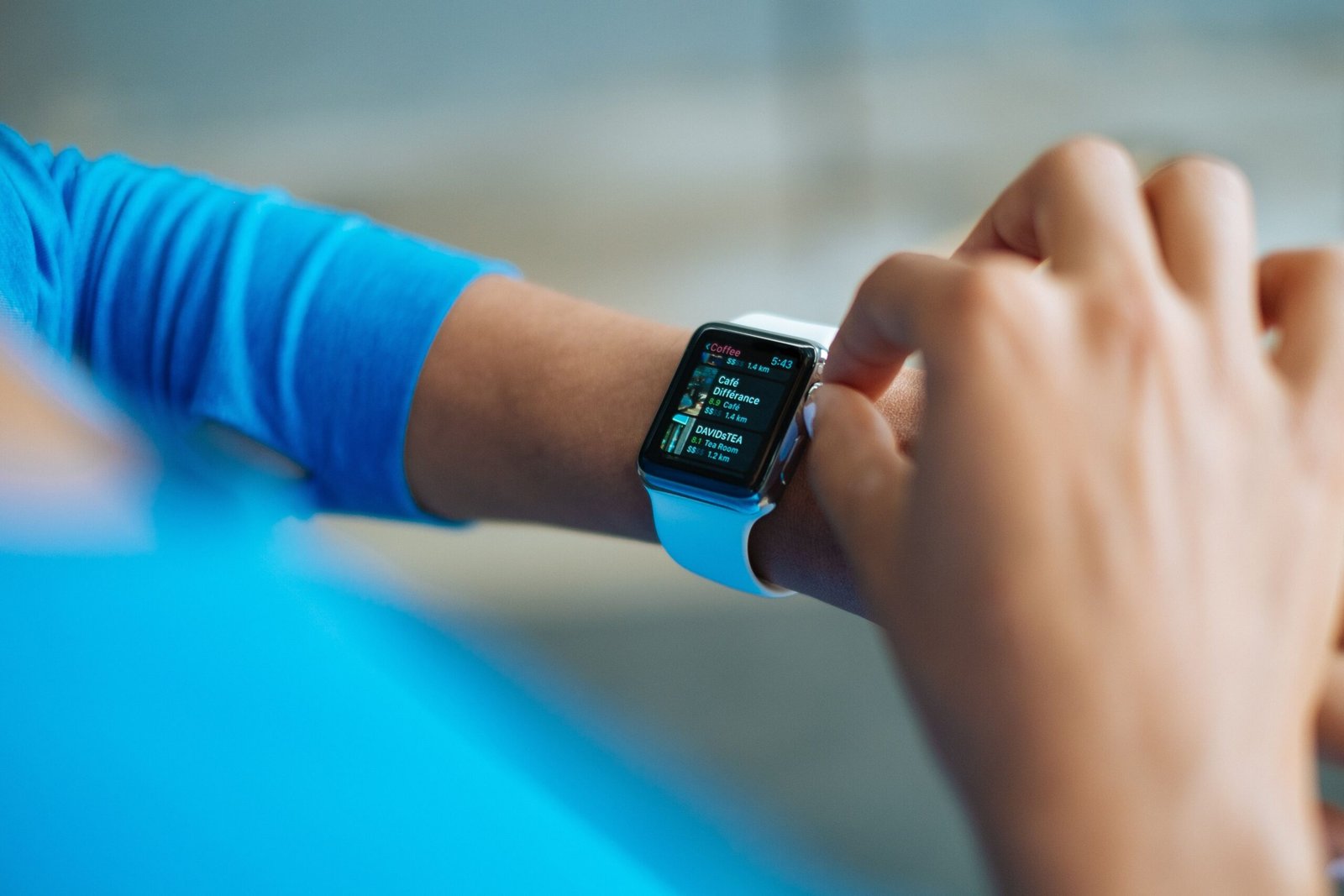
Why wearable data matters
Wearable devices — including smartwatches and fitness trackers — can provide a window into your body's daily patterns. They can track metrics such as heart rate, activity, sleep and other indicators that may help provide additional context before and after surgery.
Wearables do not replace medical devices or the expertise of your healthcare team. Instead, they may provide another source of information that helps patients stay informed and engaged throughout their surgical journey.
Before surgery: establishing a baseline
In the weeks leading up to surgery, wearable data can help establish a picture of your normal activity, heart rate and sleep patterns. Understanding those typical patterns can make it easier to recognize meaningful changes and identify areas that may support preparation before a procedure.
During your hospital stay
Depending on the procedure and care plan, information from wearable technology may help provide additional context around activity, rest and other daily trends. Your healthcare team can help determine what information is relevant to your individual care.
Recovery insights
After surgery, wearable devices can help patients observe changes in activity, sleep and other everyday patterns as recovery progresses. Tracking trends over time can provide a clearer picture than focusing on a single day's measurements.
What patients can do now
If you already use a wearable device, consider discussing it with your care team before surgery. Consistent use may provide more useful information than occasional measurements, particularly when looking at changes across several days or weeks.


